
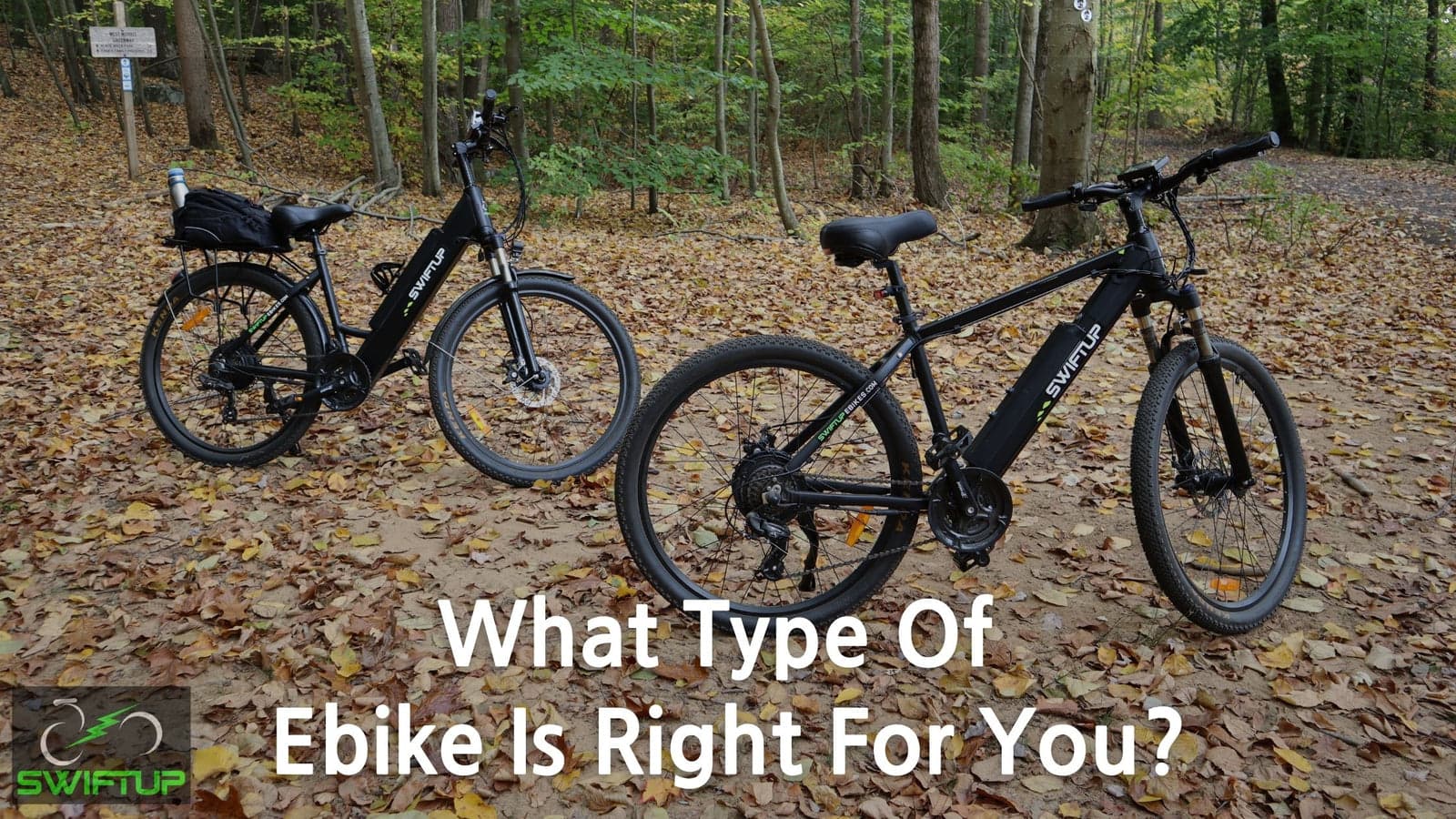
What Is an Electric Bike?
Electric bikes or eBikes can be one of the best ways to commute and travel. The article introduces them as bicycles that are operated with the help of motors and batteries and positions them as a more convenient option than normal bikes for many riders.
Before focusing on buying advice, the source defines an eBike as a bicycle with an electric motor that gives riders two ways to travel: by pedal power alone or by using motor assistance while riding. It also points out that there are both mountain-oriented and city or road-oriented eBikes, and that speed limits vary between different models.
Buying Guide for eBike
The article presents itself as a detailed buying guide intended to help riders understand eBikes, their types, and their features so they can make a sound decision about the right electric bike for their needs.
It then breaks the decision down into a series of practical categories: class, motor placement, style, battery type, motor type, and the physical build of the bike.
Understanding the Classes of Bikes
The source divides electric bikes into Class 1, Class 2, and Class 3 based on how much motor assistance they provide. Class 1 is described as a strong beginner option because the motor only assists while the rider pedals and stops helping once the bike reaches 20 mph.
Class 2 adds a throttle-powered mode up to 20 mph, while Class 3 remains pedal-assist based but allows riders to reach 28 mph before the motor cuts out. The article notes that Class 1 bikes are often the most affordable and beginner-friendly, while Class 3 bikes are especially popular with commuters and errand runners who want better performance in traffic conditions.
Hub vs Crank
The article explains that eBike motors are usually mounted either on the hubs or on the crank near the pedals. Riders therefore need to decide whether they prefer hub assistance or crank assistance when shopping.
Crank-assist bikes, especially on mountain eBikes, are described as more powerful and better at dealing with hilly terrain, though they can be noisier and more difficult to fit. Hub motors are described as weaker in pure power terms, but easier to maintain and generally less expensive.
Style of eBikes
The source distinguishes between urban and commuter eBikes, MTB eBikes, hybrid eBikes, and folding eBikes. Urban and commuter bikes are designed for flatter surfaces such as roads and cycle paths. MTB eBikes are built for off-road use and stronger braking and gearing.
Hybrid eBikes blend city and mountain-bike characteristics with sturdier frames and multipurpose tires, while folding eBikes are presented as especially convenient for commuters and students because they are easier to store, lighter in weight, and more portable for travel.
Types of Batteries
The article stresses that battery choice matters because the bike runs on stored power. It distinguishes between lithium and nickel battery types, noting that nickel batteries have slightly less storage but a longer lifespan, while lithium batteries are lighter and store more energy but typically do not last as long.
It also explains watt-hours as the measure of capacity and notes that motor power influences how quickly the battery drains. A 500 Wh battery paired with a 500-watt motor will drain faster than the same battery paired with a 250-watt motor.
Types of Motor in eBikes
The source describes two motor system types: Pedelec and Twist & Go. Pedelec systems monitor the rider's pedaling output and then add a percentage of motorized assistance, often ranging from 50% to 300%.
Twist & Go systems became popular because riders could apply power with a switch and reach up to 15 mph without pedaling, giving a very different style of assistance from pedal-driven systems.
Build of the eBike
The article recommends paying close attention to what the bike is made of. Most electric bikes are built from aluminum, but steel and carbon-fiber options are also available.
Frame material and design affect both durability and weight. The post explains that a heavier bike will usually be less efficient because the motor has more mass to move, but also warns against choosing something too flimsy. The ideal outcome is a bike that is durable, sturdy, and still reasonably light.
Conclusion
The article closes by saying these are some of the most important things to consider when buying one of the top-rated eBikes. It also mentions additional features such as LCD screens, smartphone integration, LED lighting, and tire style as final preference-based details that can influence the decision.
The overall message is that riders need to understand whether the eBike they want is actually a good fit for how they plan to ride before making a purchase.