
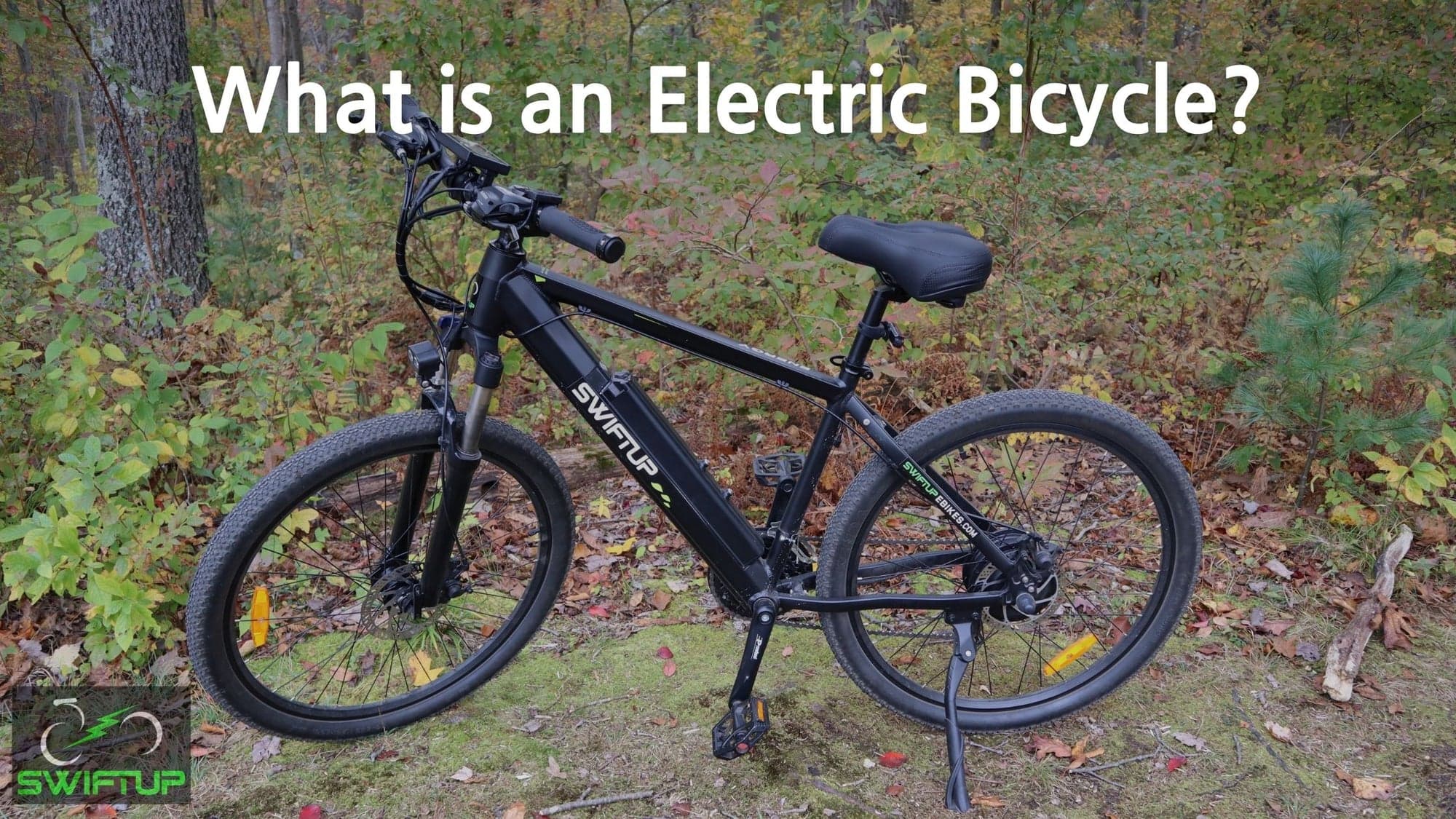
What Is an Electric Bicycle?
An electronic bicycle looks like a standard bicycle except for a motor. The motor helps the user go faster without dispensing a lot of effort. Many motors can go a maximum speed of 15mph, which is a reasonable speed on a flat surface. The motor works to match your speed or double it, depending on your bike's assistance settings.
You have to pedal for the motor on an electric bicycle to kick into action. The speed of the motor will highly depend on your rate of pedaling. You can choose to buy a new electric bicycle or convert a traditional bike into one. The bikes are environmentally friendly because they reduce the carbon emission significantly compared to cars.
How Do They Work?
An electronic bicycle consists of the frame of a traditional bike, an electric motor, a pedaling sensor and a battery. The battery provides power to the motor, and you can recharge it when it is out of power at the nearest power outlet. Some solar-powered batteries allow the user to harvest solar energy.
The pedaling sensor signals the motor into action whenever a person starts to pedal the ebike. The motor boosts the cycling speed of the bicycle, depending on the assistance settings on it. The motor can help get you to places faster without having to sweat so much to get there. You can ride to work on an ebike and not worry about sweating too much or arriving to work on time.
Types of Electric Bicycles As Per the Motor Placement
The motor of an ebike can be placed at the front, mid, or back of the bike. Each type of motor placement has its advantages and disadvantages. The motor's location can affect the performance of the bicycle in the general performance of a bike. Understanding a bicycle's performance due to the motor placement will allow you to make an informed buying decision.
Also known as center-hub motor placement, the mid-hub motor is presented as the best type of electric bicycle because the motor's middle station lowers the center of gravity and allows for even weight distribution during rides. Front-hub motors are easier to store on foldable bikes but can make balancing harder, while rear-hub motors improve weight distribution and do not wear down the drive chain as much.
The article also notes that mid-hub motor bicycles tend to be better for long distances, though riders should expect more expense and the possibility of more drive-chain wear over time.
Is an Ebike Suitable for Exercising?
It is a great starter bike for anyone who hasn't been working out and wants to take up riding. Cycling is a cardio activity that prompts a cyclist to breathe deeper to pedal faster. Even with a motor's help, using an electronic bike still provides a level of exercise to the user.
Most e-bikes come with a motor assistance adjustment option. You can choose a high level of assistance when starting to cover more distance during your rides. Reduce the assistance level to the least setting when you begin to get the hang of cycling as a form of exercise. Over time, you can transition to a traditional bicycle and increase your exercise intensity.
What Are the Features of the Best Ebikes?
You need to consider several essential features before choosing the perfect electric bike for your needs. The main features of an electric bicycle are the motor, battery and pedaling sensor. However, you should still consider the bike's frame and whether it fits your height or build.
The article highlights battery capacity, assistance level, brakes, display unit, and frame fit as the most important considerations. A higher wattage battery can be better for hills and longer distances. Brakes should come from reputable brands and match the intended use of the bike. The display unit should be easy to read and simple to use while riding. The frame should fit your body correctly so the bike remains comfortable and practical to ride often.
What Is the Cost of an Electric Bicycle?
The cost of an ebike varies depending on size and manufacturer. The article notes that prices can range from $500 to $5000 for premium brands, with a more typical suitable range between $1,500 and $3,000.
The source also points out that battery capacity and motor placement influence price, and mid-hub motor bicycles tend to cost more because they handle terrain better and transition more naturally for riders coming from traditional bicycles.
Can You Convert a Standard Bicycle into an Ebike?
Yes. The article explains that a traditional bicycle can be converted into an ebike with a conversion kit. Riders with mechanical skills can treat it as a DIY project, while others can hire a professional for the work.
The source positions conversion as a lower-cost path into ebike ownership, noting that full conversion kits can be found for around $350 and that it is still important to choose a kit that matches the underlying bicycle model.
Conclusion
Ebikes are presented as an excellent commuting alternative for anyone looking to save money on transport. They are environmentally friendly compared with cars or motorcycles and can still be practical on a tighter budget through either buying wisely or converting a standard bike.
The article closes by noting that an ebike is simple to maintain, can save energy when commuting, and becomes even more practical when paired with a replaceable battery that extends the usable life of the bike for years.