
How Do Electric Bicycles Work?
Electric bicycles have become increasingly popular for those that want to get around town with minimal effort. The article opens by noting that many riders imagine e-bikes as a simple way to cruise around without much physical work, but it quickly clarifies that the system is better understood as a power-assisted bicycle rather than a machine that does everything for you.
The simple answer given in the source is that these bikes rely on three key features: the motor, the battery, and the sensor. These sit on the frame of what is otherwise a fairly traditional bike and give riders help when they need it without replacing the bicycle itself.
Ebikes Are Better Named as Electronic-Assist Bikes
The source explicitly states that you cannot just sit there and do nothing and expect the bike to carry you around. There has to be forward momentum from the pedals to engage the wheels and keep the bike moving.
What changes is that the rider can turn on the power-assist function to get the motor running. This gives an extra push that increases output while pedaling for a stronger and faster ride with less effort. The article emphasizes that this is especially useful on difficult sections like steep hills, and that riders can switch the assistance on and off to avoid becoming too dependent on it or draining the battery unnecessarily.
It All Comes Down to Three Key Components
The article then breaks the bike down into the battery, the motor, and the sensor. The battery powers the motor, the sensor, and any display on the bike, and the post notes that higher-quality bikes tend to offer longer-lasting and more reliable batteries that are mounted in ways that protect balance and handling.
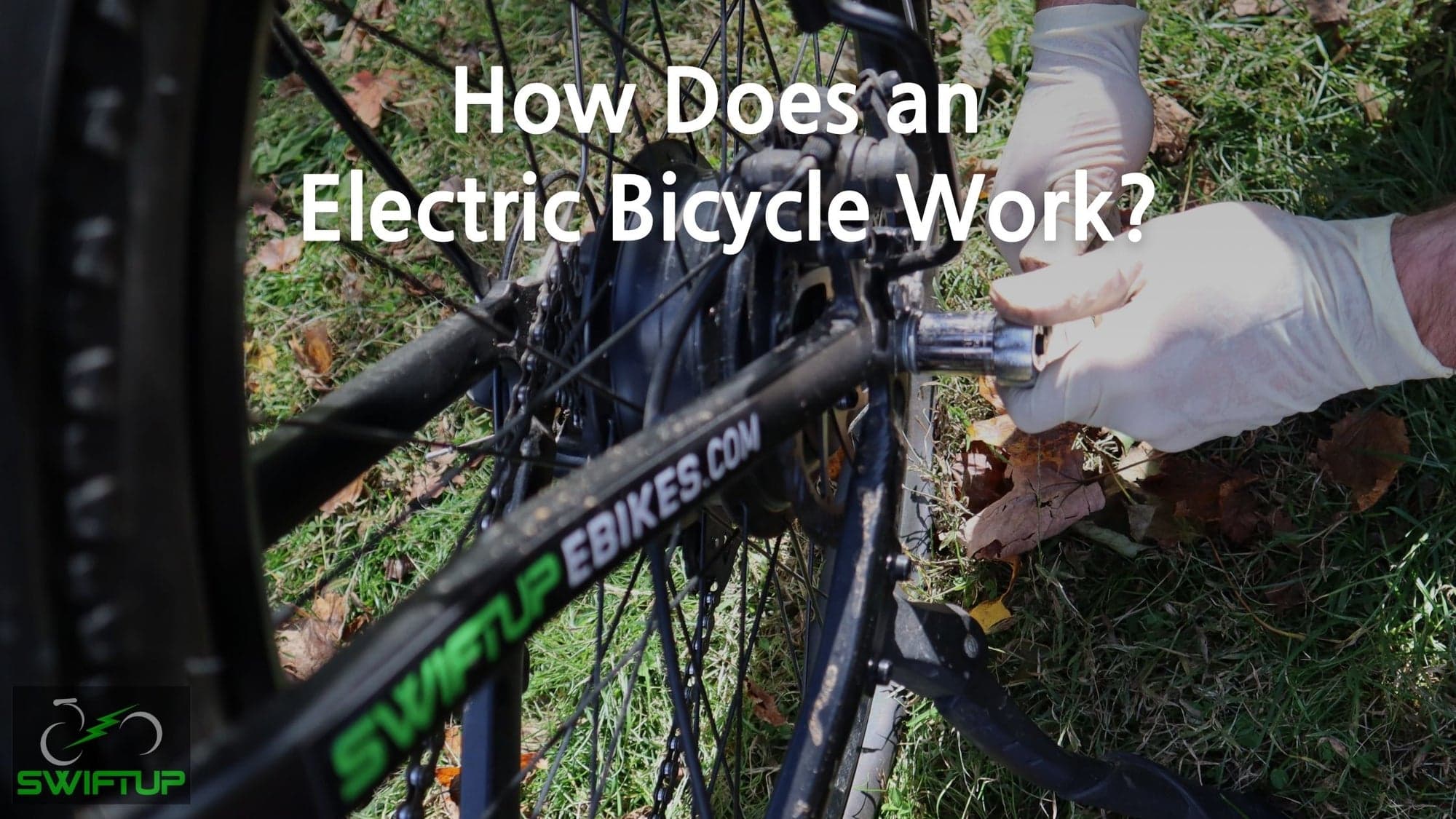
The motor is described as the crucial feature that drives the bike when the rider needs extra help. The article distinguishes between hub motors and crank motors, explaining that hub motors are more common on lower-end bikes while crank motors are often preferred by riders who want more responsive assistance that feels better matched to their own pedaling.
On the sensor side, the article contrasts simple speed sensors with torque sensors. A speed sensor tells the motor when you are pedaling and when you are not, while a torque sensor responds to how hard you are pedaling and adjusts the assistance accordingly for a more natural and efficient ride.
Options and Designs Vary Across Different Bikes and Brands
In addition to the core drive system, the article points out that most bikes also include a display so riders can read status information and activate assist settings easily while riding. It also notes that any extra component adds some weight and affects handling, so design and placement matter.
The source explains that different bikes may offer different assistance modes, such as normal, Eco, or Turbo, and that some advanced bikes also include apps, fitness tracking, GPS, or more complex consoles. Those additions can be useful, but the article is clear that they also tend to increase the price significantly.
In All Other Ways, Your Ebike Is a Lot Like a Regular Bike
When you remove the battery, motor, sensor, and display, you still end up with a standard bicycle. The pedals, wheels, tires, gears, and brakes still matter just as much as they would on a normal road bike.
The article uses this point to explain that if your battery is charging or you forgot to charge it, you can still ride the bike like a regular bicycle. You just have to put in more effort than you would with the electronic assistance engaged.
You Can Even Get Electric Bicycles in Different Styles
The article also emphasizes that electric assistance is not limited to one shape or purpose of bicycle. The same technology can be adapted to commuter bikes, mountain-oriented bikes, and other categories depending on the rider's goals.
It closes by explaining that understanding how electric bicycles work helps riders use them to their advantage. The right combination of crank motor, torque sensor, and battery can make longer rides and tougher terrain much more approachable without turning the bike into something completely different from a bicycle.